
...

Tooth Extraction Services in Philadelphia, PA

The closest alternative to your natural teeth.
Persistent Toothache? You May Need a Tooth Extracted

Persistent tooth pain, severe decay, or an impacted wisdom tooth can quickly disrupt your day-to-day life. Finding gentle, effective oral surgical care close to home brings immediate relief. At Philadelphia Oral & Maxillofacial Surgery, Dr. Cyndi Nguyen combines decades of dental knowledge with surgical mastery to remove compromised teeth safely and comfortably.

Call our Philadelphia oral surgery center at 215-273-3223 to schedule your dental consultation. Located conveniently in Northern Liberties, we welcome patients from Center City, Fishtown, South Philadelphia, Old City, and University City.


Why Choose Dr. Nguyen in Philadelphia for Tooth Removal?

Searching for tooth removal in Philadelphia, PA brings up many choices, but Dr. Nguyen offers distinct advantages:

  • Dual-Perspective Skill: With 13 years as a general dentist before her 5-year oral surgery residency, Dr. Nguyen bridges the gap between surgical precision and aesthetic tooth restoration.
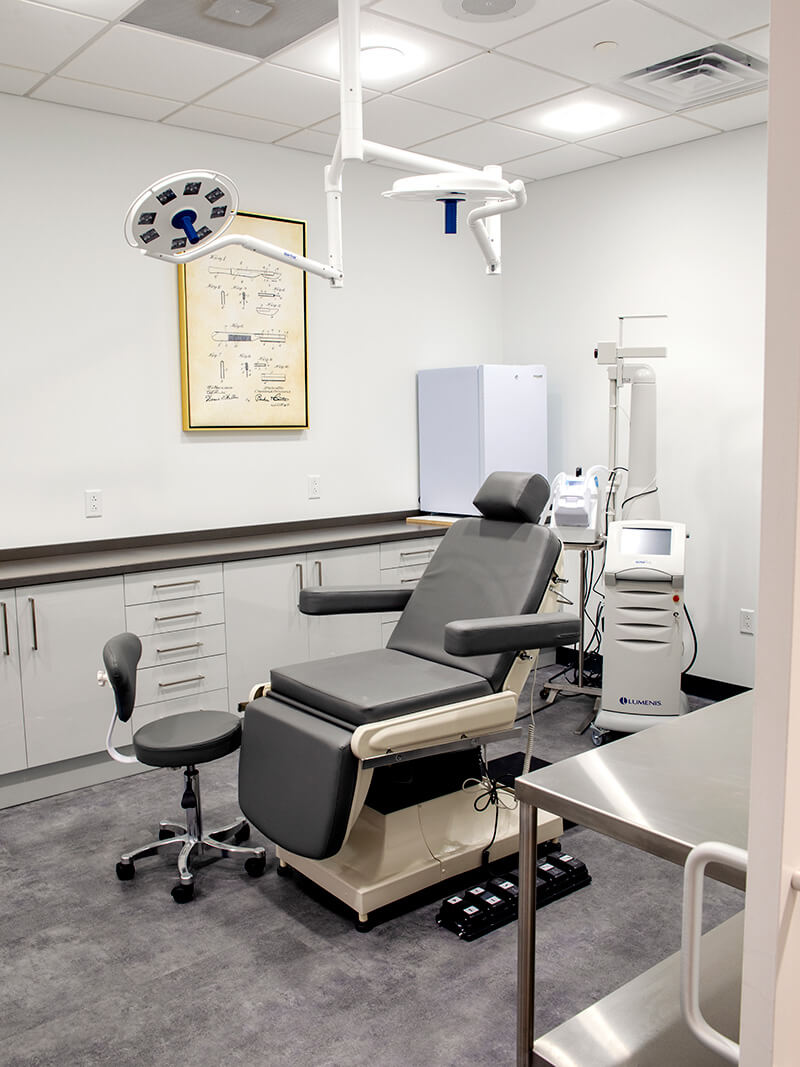
  • Advanced In-House Technology: From 3D imaging to digital impression scanners, our Northern Liberties facility uses modern dental technology to shorten procedures and improve patient comfort.
  • Compassionate Bedside Manner: Patient reviews routinely highlight the warmth, personal phone call check-ins, and reassuring nature of Dr. Cyndi Nguyen and her team.
  • Emergency & Same-Day Availability: When severe pain strikes unexpectedly, our office works quickly to accommodate urgent extractions.

When Is a Tooth Extraction Necessary?

While preserving natural teeth remains the top goal, removing a compromised tooth can prevent systemic infection, relieve intractable facial pain, and create room for a healthier bite. Common clinical reasons patients turn to Dr. Cyndi Nguyen for extractions include:

  • Severe Tooth Decay or Infection: When deep cavities reach the pulp chamber and root canal treatment is no longer viable.
  • Impacted Wisdom Teeth: Third molars trapped beneath gum tissue or bone, causing crowding, cysts, or localized infection.
  • Advanced Periodontal Disease: Severe bone loss that loosens teeth beyond saving.
  • Trauma or Structural Fractures: Teeth broken below the gumline due to sports injuries or accidents.
  • Orthodontic Alignment: Removing select teeth to relieve severe crowding before braces or clear aligner therapy.
  • Preparation for Dental Implants: Extracting failing teeth to clear the path for long-lasting implant placement.

Types of Tooth Extraction

Simple Tooth Extraction

A simple extraction is typically performed when the tooth is visible above the gumline and can be removed without making an incision in the gums. After numbing the area, Dr. Cyndi Nguyen gently loosens the tooth and removes it from the socket.

Surgical Tooth Extraction

A surgical extraction may be necessary when a tooth is impacted, broken at or below the gumline, or difficult to access. Dr. Nguyen may make a small incision in the gum tissue and use advanced surgical techniques to safely remove the tooth. Surgical extractions are commonly used for impacted wisdom teeth and more complex cases.
Five Signs You May Need a Tooth Extracted

Recognizing early warning signs prevents complications like widespread infection or bone loss around neighboring teeth.

  1. Persistent, Throbbing Tooth Pain: Sharp or continuous pain when chewing often indicates deep nerve infection or structural root damage beyond repair.
  2. Visible Crowding or Impacted Teeth: Jaw pressure or pain near the back molars indicates third molars trapped beneath the bone or gum line.
  3. Loose Teeth from Gum Disease: Advanced periodontitis degrades supporting alveolar bone, leaving teeth unstable.
  4. Severe Facial Swelling or Gum Abscesses: Redness, swelling, or pus along the gum line points to deep pulp tissue infections, requiring prompt surgical attention.
  5. Irreparable Cracks or Fractures: Vertical root fractures beneath the gum surface prevent tooth restoration, making removal the safest choice.

What to Expect At Your Tooth Removal Surgery

Before removing a tooth, Dr. Nguyen performs a careful evaluation. Your consultation may include:

A Review of Your Dental and Medical History

Your health history, medications, symptoms, and previous dental treatment can all influence the treatment plan.

Digital Imaging and Diagnostic Evaluation

Philadelphia Oral & Maxillofacial Surgery uses advanced diagnostic technology, including 3D cone beam imaging when appropriate, to help Dr. Nguyen evaluate the tooth and surrounding jaw structures.

A Discussion About Your Treatment Options

You should know why an extraction is being recommended and what alternatives may be available. Dr. Nguyen will explain the procedure and answer questions about anesthesia, sedation, recovery, and potential tooth replacement.

A Review of Costs and Financial Options

The cost of a tooth extraction can vary depending on whether the procedure is simple or surgical, the tooth’s location, the case’s complexity, and other factors. The team can discuss treatment costs, insurance participation, and available financing options before your procedure.

Tooth Extraction Recovery: How to Heal Quickly

Proper care after your tooth extraction encourages swift tissue healing and protects the blood clot formed in the socket. Dr. Cyndi Nguyen recommends following these essential guidelines:

  1. Protect the Blood Clot: Avoid using straws, spitting vigorously, or smoking for at least 72 hours. Suction forces can dislodge the clot and cause a dry socket.
  2. Manage Swelling: Apply a cold compress to the outside of your cheek in 15-minute intervals during the first 24 hours.
  3. Eat Soft Foods: Stick to smooth, nutrient-dense foods like yogurt, warm soups, mashed potatoes, smooth smoothies, and scrambled eggs for the first few days.
  4. Maintain Oral Hygiene: Keep your mouth clean by rinsing gently with warm salt water after meals, starting 24 hours after surgery. Avoid aggressive brushing near the extraction site.
  5. Rest Up: Take it easy for 24 to 48 hours post-surgery, avoiding strenuous exercise that elevates blood pressure and triggers bleeding.

What Is Dry Socket and How Can I Help Prevent It?

Dry socket is a painful complication that can occur when the protective blood clot at the extraction site becomes dislodged or breaks down too early.

Following your post-operative instructions is important. Smoking, drinking through a straw, forceful spitting, and similar actions can disturb the healing area. If your pain becomes severe or increases after initially improving, contact Philadelphia Oral & Maxillofacial Surgery for guidance.

Will I Need to Replace a Tooth After an Extraction?

In many cases, replacing a missing tooth is worth discussing. A missing tooth can affect chewing, appearance, and the position of nearby teeth.

Depending on your needs, replacement options may include:

  • A dental implant
  • An implant-supported bridge
  • A traditional dental bridge
  • Another restorative option recommended by your dental team

Because Dr. Cyndi Nguyen performs both extractions and dental implant procedures, she can evaluate the surgical considerations involved in removing a problematic tooth and discuss whether implant treatment may be a future option.

Frequently Asked Questions

Dr. Nguyen uses complete local anesthesia and modern sedation options to keep you comfortable throughout treatment. Most patients feel only slight pressure during the extractions, not pain. Post-procedure soreness is easily managed with prescribed or over-the-counter pain medications.
Stick to soft, cool, or room-temperature foods for the first 24 to 48 hours, such as yogurt, smooth smoothies (eaten with a spoon), applesauce, scrambled eggs, and mashed potatoes. Avoid hard, crunchy, spicy, or hot foods, and never use a straw during the first week to prevent dry socket.

The cost of tooth extraction varies depending on whether the removal is simple or surgical, the need for sedation, and whether socket bone grafting is performed. Our financing team provides transparent cost breakdowns and helps maximize your insurance benefits.
Yes, in many cases, Dr. Nguyen can perform immediate dental implant placement right after tooth removal. During your consultation, she evaluates your jawbone density to see if immediate implants match your needs.

Schedule Your Consultation with Dr. Cyndi Nguyen Today

If tooth pain, severe decay, or crowded wisdom teeth are affecting your quality of life, relief is around the corner. Trust your smile to Dr. Cyndi Nguyen at Philadelphia Oral & Maxillofacial Surgery. Serving patients throughout Northern Liberties, Center City, and surrounding neighborhoods, our office provides gentle extractions built on patient trust and clinical accuracy.

Call our Philadelphia oral surgery office at 215-273-3223 or request your consultation online to take the first step toward a healthy, pain-free mouth!

"Dr Nguyen was fantastic. She came highly recommended by several dentists and did not disappoint. She was extremely knowledgeable and caring. The office was new and fresh, and had cutting-edge technology compared to other offices."
David R. DEc, 2022

Get the Smile You’ve Always Dreamed Of

Our consultations are comprehensive and will give you a full understanding of what’s needed to achieve the smile of your dreams. You will meet with our dental implant team, receive an exam, and discuss a full treatment plan with our doctor.
Schedule Your Consultation Today